
A Guide to Choosing the Perfect Wall Clock for Your Home

Picking out a wall clock for your home might seem straightforward, but there's actually quite a bit to think about. It's not just about telling the time anymore, is it? These days, a clock is a real decor piece. It can totally change the feel of a room. So, whether you're after something sleek and modern or more of a vintage vibe, getting the right wall clock is importan. Let's break down how to choose one that looks great and fits your space perfectly.
Key Takeaways
- Consider the overall style of your home when choosing a wall clock, whether it's modern, industrial, retro, or bold.
- The size of the wall clock is really important; measure your wall space and think about how a large or small clock will affect the room's look.
- Materials like wood, metal, and glass give different vibes, so pick one that matches your existing decor and the mood you want to create.
- Placement matters – hang your clock at eye level, above furniture, or on a feature wall to make it a deliberate part of your design.
- Think about which room the clock is for; a kitchen clock might need to be super practical, while a living room clock can be more of a statement piece.

Understanding Wall Clock Styles
Choosing the right wall clock is more than just picking something to tell the time; it's about finding a piece that really fits your home's personality. Think of it as the jewellery for your walls. With so many options out there when you buy wall clocks online UK, it can feel a bit overwhelming. But don't worry, we'll break down the most popular styles to help you find those perfect designer wall clocks UK.
Modern and Minimalist Wall Clocks
These are all about clean lines and simplicity. If your home has a contemporary feel, perhaps with Scandinavian or minimalist decor, these clocks are a natural fit. They often feature uncluttered faces, simple numerals or no numerals at all, and come in materials like brushed metal, sleek plastic, or smooth wood. They don't shout for attention but rather add a subtle, sophisticated touch. They're great for making a space feel calm and organised.
Industrial and Urban Wall
Inspired by old factories and urban lofts, these clocks have a bit of an edge. Think exposed gears (sometimes!), metal casings – often in black, grey, or distressed finishes – and bold, clear typography. They work brilliantly with exposed brickwork, metal accents, and a more raw, unfinished aesthetic. If you're going for that 'urban chic' vibe, these are definitely the ones to consider. They add character without being fussy.
Retro and Mid-Century Wall Clocks
These styles bring a touch of nostalgia. Mid-century modern clocks often feature rounded shapes, warm wood tones, and sometimes playful colours or starburst designs. Retro clocks might lean more towards the 50s or 60s with classic fonts and a more traditional feel. They're fantastic for adding warmth and a bit of vintage charm to a room, especially if you have other period pieces. They're a great way to inject some personality and are often considered some of the most stylish wall timekeepers. Check out our Style Shabby Chic Patchwork Vintage Wall Clocks for inspiration.

Bold and Maximalist Wall Clocks
If subtle isn't your thing, then bold and maximalist is the way to go. These clocks are designed to be a statement piece. They might be oversized, feature vibrant colours, intricate patterns, or unusual shapes. They're perfect for eclectic decor or for adding a pop of personality to an otherwise neutral room. Don't be afraid to let these clocks be the centre of attention – they're meant to be noticed!. For a truly unique piece, explore our Decorative Handcrafted Flower Artwork Creative Wall Clock.
When you're looking for unique wall clocks, remember that the style should complement your existing decor. While it's tempting to go for something completely different, a clock that clashes too much can end up looking out of place. Think about the overall mood you want to create in your home.
Here's a quick rundown of what to look for:
-
Modern/Minimalist: Clean lines, simple faces, neutral colours.
-
Industrial/Urban: Metal, distressed finishes, exposed elements, bold numbers.
-
Retro/Mid-Century: Wood, rounded shapes, vintage fonts, warm tones
- Bold/Maximalist: Large size, bright colours, unique patterns, eye-catching designs.
Whether you're after modern wall clocks or charming vintage wall clocks, understanding these styles will help you narrow down your search for the best wall clock styles, even if you're just looking for cheap wall clocks that still pack a punch.
Determining the Right Wall Clock Size
Right then, let's talk about size. It might seem obvious, but picking the correct dimensions for your wall clock is actually a pretty big deal. Get it wrong, and your clock can either get lost on a vast wall or completely overwhelm a smaller space. It's all about balance, really.
Assessing Available Wall Space
Before you even start looking at clocks, grab a tape measure. Seriously. tand back and look at the wall where you're thinking of hanging it. Is it a massive blank canvas, or is it already quite busy with other decorations like pictures or shelves?. A good rule of thumb is to imagine the clock as part of a larger gallery wall or as a standalone statement piece. If it's going to be the main event, it needs a bit more breathing room. If it's joining a crowd, it needs to be proportionate to its neighbours.

Standard, Medium, and Large Wall Clock Dimensions
Wall clocks generally fall into a few size categories, which can help you narrow down your search:
-
Standard (6-18 inches): These are your everyday, go-to sizes. They're great for smaller rooms, hallways, or if you're planning to have other decorative items on the same wall. They won't dominate the space but will still be noticeable.
-
Medium (12-24 inches): Stepping up a bit, these clocks are good for creating a focal point. They work well in kitchens, dining areas, or home offices where you want the clock to be easily seen without being too imposing.
- Large (24 inches and above): If you've got a big, open wall in your living room or entryway, a large clock can really make a statement. Think of it as a piece of art. It needs space to shine, so don't cram it into a tiny nook.
Here’s a quick guide to help you visualise:
| Clock Size | Best Placement |
|---|---|
| Large (24”+) | Living rooms, feature walls, entryways |
| Medium (12”-24”) | Kitchens, dining areas, home offices |
| Standard (Under 12”) | Desks, nightstands, bookshelves, compact spaces |
The Impact of Size on Room Aesthetics
Think about how a clock's size affects the overall feel of the room. A clock that's too small on a large wall can look a bit lost, like it's forgotten its purpose. On the flip side, a massive clock in a tiny room can feel claustrophobic and make the space seem smaller than it is. The goal is to find a size that complements the room's proportions and the wall it occupies. It should draw the eye without demanding all the attention, unless that's precisely what you're going for with a bold, statement piece. When in doubt, it's often better to go slightly larger than too small. A clock that's a little bit bigger than expected can add a touch of drama, whereas a clock that's too small can just look a bit sad and out of place.
Choosing Wall Clock Materials and Finishes
Right then, let's chat about what your clock is actually made of and how it looks. It’s not just about telling the time, is it? The material and finish can really change the whole feel of a room. Think about it – a chunky wooden clock is going to give off a totally different vibe than a sleek, shiny metal one.
Wood Finishes for Warmth and Nature
Wood is a classic for a reason. It brings this lovely warmth and a bit of nature indoors. If your furniture is mostly wood, picking a clock with a similar tone can make everything feel really connected and cosy. Imagine a walnut clock in a room with a nice oak sideboard – it just works, doesn't it?. It’s great for that mid-century modern look or just generally making a space feel more inviting.
Metal for Sleekness and Industrial Chic
Metal clocks, on the other hand, are brilliant for a more modern or industrial look. Think brushed steel, polished chrome, or even a bit of aged brass. These can add a touch of sophistication. A black metal clock can look really sharp against a lighter wall, or a brass one can add a bit of warmth to a more minimalist setup. They’re often quite durable too, which is always a bonus.

Glass for Minimalism and Elegance
Glass isn't as common for the whole clock body, but you'll often see it as a protective cover over the face. It gives a really clean, polished look and is super easy to wipe down – no dust bunnies getting stuck on the hands! Sometimes you see glass used in more decorative ways, like mosaic pieces or a clear face. It tends to suit minimalist or more elegant interiors where you want something that looks refined without being too flashy.
Matching Finishes to Room Accents
This is where you can really tie things together. Take a look around the room. What other metal finishes do you have? Are there chrome taps in the kitchen, or brass handles on your drawers? Try to pick a clock that has a similar metal finish. It doesn't have to be an exact match, but having a consistent theme, like all brushed nickel or all gold tones, makes the whole space feel more put-together. It’s a small detail, but it makes a big difference.
Don't be afraid to mix materials, especially if your style is a bit eclectic. A wooden clock can look fantastic against a metal-accented wall, or a clock with a bold pattern can be the perfect counterpoint to more subdued furniture. The key is to create a look that feels intentional and reflects your personal taste.
Strategic Placement of Your Wall Clock
Right, so you've picked out a cracking wall clock, but where do you actually put it?. It's not just about slapping it on any old wall, you know. Where you hang it can make a massive difference to how the room feels and how easy it is to actually see the time. Let's get this sorted.
Hanging Above Furniture
Putting a clock above a sofa, a sideboard, or a console table can really tie that area of the room together. It gives the furniture a bit of a focal point and stops the clock from looking like it's just floating aimlessly. A good rule of thumb is to leave about 15-20cm of space between the top of the furniture and the bottom of the clock. This way, it feels connected, not crammed.
Utilising Feature Walls
If you've got a wall that's already a bit of a showstopper – maybe it's got a bold wallpaper, some interesting panelling, or a striking piece of art – your clock can either complement it or become a statement piece itself. For a feature wall, you might want a clock that's got some presence, something with a bit of size or a unique design that can hold its own against whatever else is going on.
The Eye-Level Rule for Visibility
This one's pretty straightforward but often overlooked. You want to be able to see the time without having to crane your neck or squint. Generally, aim to hang the centre of your clock at about eye level. For most adults, this is roughly 150-160cm from the floor. It just makes life easier, doesn't it?
Creating a Statement Above a Fireplace
Fireplaces are natural focal points in many rooms, especially living rooms. A clock hung above a mantelpiece can be a fantastic way to complete the look. This is often a great spot for a larger clock, as it can balance out the visual weight of the fireplace itself. Think of it as the crowning glory for your hearth. Placement is key to making sure your clock doesn't just tell the time, but also contributes positively to the overall look and feel of your home. It's about finding that sweet spot where it's visible, balanced, and works with the surrounding decor.
Selecting a Wall Clock for Specific Rooms
Picking the right wall clock isn't just about telling the time; it's about choosing a piece that really fits the room it's going into. Different spaces have different needs and vibes, so what works in the kitchen might not be the best choice for your bedroom.
Kitchen Wall Clock Considerations
In the kitchen, functionality often takes the lead. You'll want a clock that's easy to read at a glance, especially when your hands are covered in flour or you're juggling multiple pans. Think about a clock that's a decent size, not too small, so you can spot the time without squinting. Materials that are easy to wipe clean are a bonus too. A simple, clear design is usually best here, avoiding anything too fussy that might get lost amongst the hustle and bustle of meal prep. Some people even opt for a classic London Big Ben style for a touch of charm. For a playful touch, consider our Decorative Creative Forks Spoons Spatulas Wall Clock.
Living Room Statement Pieces
Your living room is where you often want to make a bit more of a statement. This is the place for those larger decorative timepieces for rooms. Oversized wall clocks for living areas can become a real focal point, drawing the eye and adding personality. Consider the overall style of your room – a sleek, modern clock for a contemporary space, or perhaps a more ornate or vintage-inspired piece for a traditional setting. Large accent clocks for living areas can really tie a room together, especially when hung above a sofa or fireplace. Remember, living room wall clocks are as much about decor as they are about timekeeping.

Bedroom Wall Clock Ideas
Bedrooms are usually a sanctuary, so the clock choice should reflect that. While some prefer no clock at all, relying on their phone, others find a wall clock adds a certain something. A quieter, more subtle design often works best. Avoid anything too loud or visually busy. If you're going for a larger piece, consider placing it above the headboard to create a gentle focal point. For smaller bedrooms or those with lots of other wall decor, a standard-sized clock might be more appropriate. Think about the overall colour scheme and materials to ensure it complements your relaxing space. For a unique touch that's visible at night, explore our Decorative Round Glow in the Dark Wall Clock.
Office and Functional Space Timepieces
For offices or home study areas, practicality is key. You need a clock that's easy to read from your desk, helping you stay on track with tasks and meetings. A clear, legible dial is paramount. While style is still important, it often takes a backseat to function. Consider a clock with a simple, unfussy design that won't distract from your work. Some people like a clock with a subtle industrial or minimalist aesthetic for these spaces. The main goal is to have a reliable timekeeper that helps you manage your day efficiently.
Enhancing Decor with Wall Clock Features
So, you've picked out the perfect style and size for your wall clock. But what about those extra bits that can really make it pop?. It's not just about telling the time anymore, is it?. These decorative wall clocks can be proper statement pieces, adding a bit of personality to your space. Think of them as functional art.
The Appeal of Moving
Honestly, a clock with visible moving gears is just fascinating to watch. It’s like having a mini mechanical show on your wall. These aren't your average modern home time displays; they bring a sense of craftsmanship and history. You can see the cogs turning, the balance wheel oscillating – it’s quite mesmerising. It adds a layer of visual interest that a simple clock face just can't match. It’s a conversation starter, for sure.
Incorporating Pendulums and Chimes
Then there are pendulums and chimes. A gently swinging pendulum adds a classic, rhythmic motion that can be quite calming. It’s a nod to traditional timekeeping, but you can find them in modern designs too. And the chimes? Well, that’s a whole other level of charm. Whether it’s a Westminster chime on the hour or a simpler melody, it adds an auditory dimension. Just make sure you’re ready for it – some people love it, others might find it a bit much, especially in a bedroom!
Choosing Meaningful Colours and Patterns
Don't forget colour and pattern! A clock doesn't have to be plain. A bold colour can inject life into a neutral room, acting as a focal point. Or perhaps a geometric pattern that ties in with your wallpaper or rug?. It’s about making the clock work with your existing decor. For a vibrant option, see our 3 Frame Flamingo Wall Clock or the Paris Eiffel Tower Wall Art Painting Frame Wall Clocks.
Here’s a quick guide:
-
Neutral rooms: Consider a clock in a warm metallic like brass or gold, or a bright, unexpected colour
-
Minimalist spaces: Wood finishes or simple metal designs work well to add subtle warmth.
- Eclectic decor: Go for something with real character – maybe an oversized piece or one with intricate detailing. Consider our Wall Art Decor Wall Clocks London Porcelain Painting Clock.
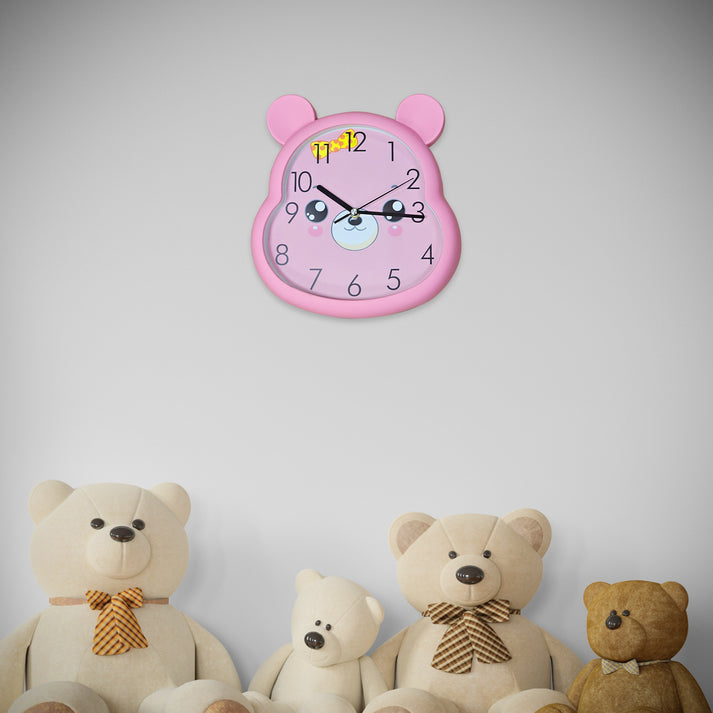
Matching the clock's finish to other metal accents in the room, like light fixtures or door handles, can really tie everything together. It makes the whole space feel more considered and cohesive. Ultimately, these features turn a simple time-teller into a genuine decorative element. It’s about choosing something that not only tells you the time but also brings joy and character to your home.
Finding Your Perfect Timepiece
So, there you have it. Choosing a wall clock isn't just about picking something to tell the time; it's about finding a piece that really fits your home and your style. Whether you're after something big and bold to make a statement, or a smaller, more subtle addition, thinking about the size, the room it's going in, and how it looks with your other bits and bobs will make all the difference. Don't rush it, have a look around, and you'll find that perfect clock that just feels right. Happy hunting!
For your living room, think about clocks that look good and do their job. Sunburst clocks with their ray-like bits are a cool retro choice. Simple, modern clocks are easy to match with anything Or, go for a big clock that really stands out and becomes the main decoration on your wall.
The price for a living room clock can change a lot. Simple ones might cost around £20 to £50. If you want something more modern and stylish, expect to pay between £50 and £150. Really fancy or designer clocks can cost £100 to £300 or even more, especially if they're made from fancy materials like brass or special wood.
To make your clock display look great, try putting a large, eye-catching clock right above your sofa or fireplace. You could also put together a few clocks of different sizes to create a 'gallery wall' effect. Make sure the clock's colours and materials match your furniture so everything looks like it belongs together.
Some really famous clock designs that people love for modern homes include the Sunburst and Ball clocks by George Nelson, which have a cool mid-century vibe. Big, statement clocks from brands like Howard Miller are also popular. And for something super simple and functional, Braun's minimalist clocks are a great choice.
The size of your clock really matters! For big rooms like living rooms or hallways, a large clock (24 inches or more) works best. Medium-sized clocks (12-24 inches) are good for kitchens or dining areas. Smaller clocks (under 12 inches) are perfect for desks, bedside tables, or small spaces where they won't get lost.
It's best to hang your clock where you can easily see it, usually at eye level (about 150-160cm from the floor). If you're hanging it above furniture like a sofa or a sideboard, leave a gap of about 15-20cm so it doesn't look squashed. A clock can look great on a wall with other pictures, as long as there's enough space for everything to be seen.
Shop wall clocks at BesBet. Our wall clocks collection runs from 20 cm up to 45 cm across, in plain and decorative styles, with the size listed on every product so you can match the clock to the wall. If you want something for a bedside or a desk instead, see alarm and table clocks.
Shop the range
- Round Kitchen Wall Clock – Large Easy-Read Numbers, Black or White
- Vintage Roman Numeral Wall Clock – 23 cm, White Frame, Dark Dial
- Classic Black Round Wall Clock – Black Dial, Easy-Read Numbers
- Golden Deer Round Wall Clock – Slim Gold Frame, Modern Art Dial
- London Big Ben Wall Clock – 25 x 20 cm, Autumn Westminster Picture
- Modern Round Wall Clock – 29 cm, 3D Numbers, Black, Dark Green or White